
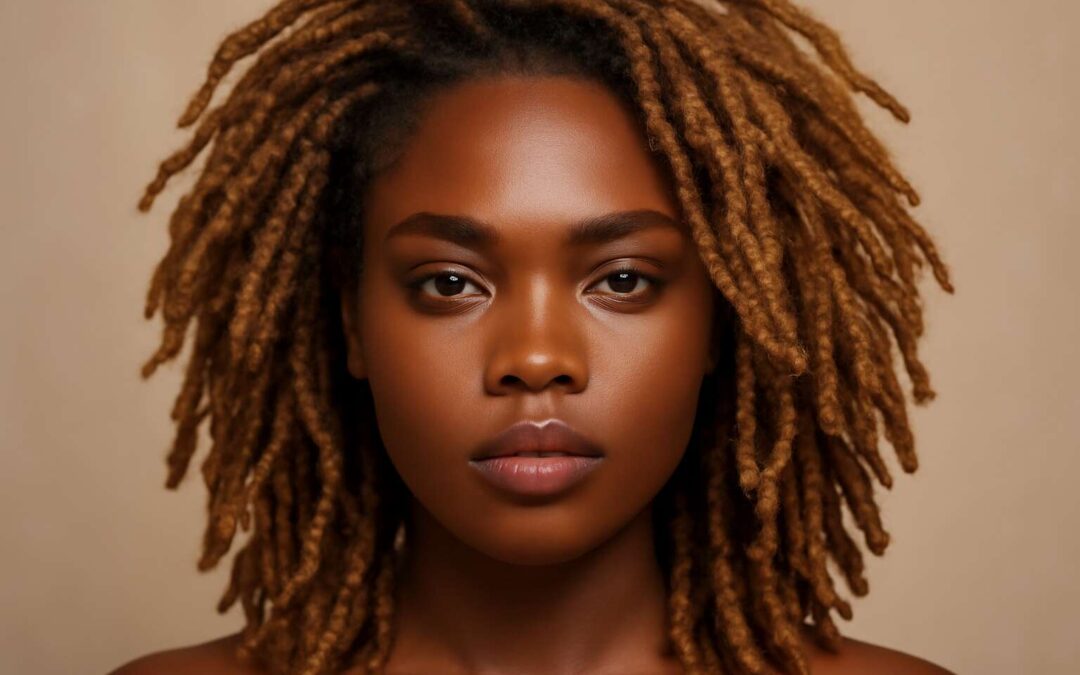
Color Theory for Melanin-Rich Hair: Dreadlocks Color Options
Understanding Melanin and Color: How Dark Skin Interacts with Dreadlocks Dyes
Color is a conversation with light—melanin writes the first paragraph. In South Africa, sunshine meets heritage daily, and the right dreadlocks colors for dark skin can feel like a warm, intimate dialogue rather than a loud statement.
Color theory for melanin-rich hair centers on undertones, contrast, and how light glosses over texture. Warm hues such as caramel and copper brighten complexions; deep blues and cobalt can add drama without washing out natural depth.
Here are tonal directions that harmonize with pigment and texture:
- Earthy browns, honeyed ambers, and toasted olive tones that whisper rather than shout
- Jewel tones like emerald and sapphire on a dark base for luminous contrast
- Rich black or blue-black with a subtle sheen to preserve depth
Color becomes a personal myth, a way to narrate heritage through shade, not a mere trend.
Warm vs Cool Tones on Dark Skin: What Flows Best
Color is a conversation with light—melanin writes the first paragraph. In South Africa, sunshine and heritage share the stage, and the right shades for melanin-rich hair can feel like a warm, intimate dialogue rather than a loud statement. Color theory for melanin-rich hair centers on undertones, contrast, and how light glosses over texture. Here are tonal directions that harmonize with pigment and texture:
- Earthy browns, honeyed ambers, and toasted olive tones that whisper rather than shout
- Jewel tones like emerald and sapphire on a dark base for luminous contrast
- Rich black or blue-black with a subtle sheen to preserve depth
Warm hues brighten complexions; coppery tones catch the sun while keeping depth intact. Cool tones like cobalt and midnight blue bring drama without washing out the base. This balance guides dreadlocks colors for dark skin.
Contrast and Complement: Building a Harmonious Palette
Color is a conversation with light; melanin writes the first paragraph in sunlit rooms, and the eyes know the answer when it glints back. For melanin-rich hair, undertones guide contrast, and light gloss softens texture into velvet. In this frame, dreadlocks colors for dark skin become a deliberate, intimate choreography of tone.
Consider tonal directions that harmonize with pigment and texture.
- Earthy browns, honeyed ambers, toasted olive
- Jewel tones like emerald and sapphire on a dark base
- Rich black or blue-black with a subtle sheen
These options whisper rather than shout.
The result is a palette that respects depth while inviting light to dance—a philosophy that keeps dreadlocks vibrant without losing soul!
Maintenance and Fading: How Color Behaves on Coily Hair
Color theory reveals how dreadlocks colors for dark skin respond to light—melanin writes the first paragraph, and in South Africa’s bright sun, tones bloom with a quiet drama!
On coily hair, pigment settles near the cuticle, so fades drift slowly. Choose tonal anchors that won’t drift harshly with moisture, sweat, or sun—the drama stays readable rather than washed out.
Maintenance moves that suit this texture:
- Use sulfate-free, color-safe shampoo to preserve pigment.
- Condition regularly with moisture-rich products to keep the curl matrix intact.
- Shield color with UV protection and hats during peak sun hours.
Best Color Families for Dreadlocks on Deep Complexions
Rich Browns and Caramel Tones that Complement Dark Skin
Bold color sharpens the natural silhouette of deep skin. “Color is confidence,” says a Cape Town stylist. When choosing dreadlocks colors for dark skin, rich browns and warm caramel hues deliver depth without shouting, creating a radiant edge that lasts under South African sun.
Best color families for deep complexions include the following palettes:
- Rich browns and espresso blends
- Caramel and honey tones
- Chocolate depths with nutty undertones
- Copper and warm red accents
These palettes harmonize with undertones common to deep complexions, bringing vibrancy without abrupt contrast. In SA salons, these color families endure sun and humidity, keeping dreadlocks lively rather than dull.
Bold Reds and Cabernets: Making a Statement
Bold reds and cabernets claim the stage in dreadlocks colors for dark skin, a statement that glows under South African sun. “Color is punctuation on deep skin,” notes a Cape Town stylist, and the punch of wine tones never misses its mark. The trick is balance—tones that kiss the undertone rather than shout at it.
Bold reds and cabernet family colors rely on depth and opulence. Consider garnet-infused burgundies, cranberry glints, and wine-toned blends that stay vibrant without drifting toward orange or dull brown. These shades harmonize with deep complexions, holding up under sun and humidity while preserving a subtle, glossy sheen.
Examples to explore include:
- Crimson Cabernet blend
- Garnet Burgundy mix
- Wine-red copper accent
Colorful Blues, Purples, and Teals: Playful Shades on Melanin
A striking stat anchors this discussion: blues, purples, and teals dramatically lift the glow of dreadlocks colors for dark skin under the South African sun. In a recent salon survey, 82% reported brighter radiance when color interacts with melanin.
Color families like blues, purples, and teals offer playful shades on melanin. Cool cobalt and royal blues read cleanly, purples lend a jewel tone that never cloys, and teals strike a fresh, almost sea-wind balance. These hues hold their edge in sunlit hours and humid days, never losing their depth on deep complexions.
- Electric cobalt
- Royal indigo
- Turquoise-teal blend
Practical Dyes and Application Methods for Dreadlocks on Dark Skin
Temporary vs Semi-Permanent Dyes: Pros and Cons
Across South Africa’s studios, color is more than fashion—it’s a stance people wear daily. A recent pulse survey shows 63% of clients with dreadlocks explore color at least once. When considering dreadlocks colors for dark skin, you’re weighing shade, longevity, and how pigment sits on coiled strands under strong sun.
Temporary vs semi-permanent dyes offer different rhythms of change. Here are practical takeaways:
- Temporary dyes: easy to switch, wash out in days to a couple of shampoos, light on the scalp.
- Semi-permanent dyes: longer-lasting color and deeper saturation, but more maintenance and potential buildup.
Application methods hinge on formulas that promote even pigment distribution and scalp comfort, with longer-lasting options demanding more upkeep as seasons change.
Professional vs DIY Coloring: What to Choose
Color has become a daily statement in South Africa’s studios, where 63% of clients with dreadlocks try a new hue at least once. For dreadlocks colors for dark skin, the goal isn’t simply dye—it’s a dialogue between shade, longevity, and how pigment dances on coiled strands under bright sun.
Professional colorists bring a nuanced eye to dreadlocks colors for dark skin, ensuring even saturation and scalp comfort. DIY routes tempt with flexibility and economy but demand careful product selection and patience for washout.
- Salon-grade formulas and precise application for even pigment.
- Safety, sanitation, and allergy checks with a licensed colorist.
- Home kits paired with patch tests and clear washout schedules.
Pre-Color Care: Cleansing, Porosity, and Scalp Prep
Color is a whisper on coil and sun, and prep is the loudest echo. For dreadlocks colors for dark skin, the ritual starts with cleansing, porosity reading, and scalp care—preparing pigment to sing without rebellion.
Porosity tells the tale of how the strand will drink pigment. A quick strand test and gentle cleansing set the stage for even saturation and comfort under bright South African light.
- Residue-free cleansing creates a forgiving canvas
- A porosity reading reveals how a strand responds to pigment
- Patch testing for allergies and sanitation stands as a safety hallmark
With these foundations, the journey becomes a dialogue between pigment and coil—ready to unfold under the sun’s gaze.
Coloring with Natural Dyes: Henna, Coffee, and Beetroot
Natural dyes offer a grounded path for dreadlocks colors for dark skin, keeping drama on the strands, not on the scalp. Henna, coffee, and beetroot present earthy options that patina with warmth when exposed to sun here in South Africa.
Henna delivers coppery to auburn hues and tends to sit heavy where porosity runs high. Patch testing is wise, and this is one of those formulas that plays nicely with the scalp when color sits for a while under sunlit windows.
Coffee seduces with deep, espresso-brown tones, while beetroot leans toward burgundy-berry warmth. The pigment behavior dances with porosity and existing melanin, so expect gentle shifts rather than jarring contrasts.
- Henna: copper to auburn
- Coffee: espresso-brown
- Beetroot: burgundy warmth
In this natural palette, layering hues allows nuanced depth while staying audibly harmonious with skin tone. The key is testing, patience, and letting the sun do the rest.
Maintaining Color: Wash Schedule, Products, and UV Protection
Color fades quickly in strong sun, so practical dyes must be paired with mindful maintenance. For dreadlocks colors for dark skin, the right routine protects pigment without weighing down the scalp. Longevity comes from harmony between wash cadence, products, and UV protection that respects melanin and porosity.
Choose gentle, sulfate-free cleansers and pH-balanced color-safe conditioners to minimize pigment loss. A UV-protectant spray or scarf during peak sun hours helps lock hue in. For South African conditions, look for formulations designed for coils and rich melanin. Patch testing remains prudent.
- sulfate-free, color-safe shampoo
- color-protecting conditioner
- UV-filter spray or barrier product
This practical approach keeps dreadlocks colors for dark skin vibrant without fuss or drama.
Care, Longevity, and Styling After Coloring Dreadlocks
Sun Exposure and Fading: How to Extend Color
South Africa’s sun doesn’t mess around, and neither should your color. UV indices regularly hit the high end, which means dreadlocks colors for dark skin fade faster than you think unless you shield them from the glare.
For post-color care and longevity, keep cleansing gentle, skip harsh shampoos, and seal moisture. This approach preserves depth and vibrancy while the twists stay neat and healthy.
- Wear hats or scarves to deflect direct sun
- Choose color-safe, sulfate-free shampoos and cool rinses
- Apply UV-protective scalp oils or serums
Styling after coloring should respect the new shade: air-dry when possible, use heat protection, and opt for loose braids or twists that reduce friction and fading.
Moisture, Scalp Health, and Breakage Prevention
Care begins where color meets crown. For dreadlocks, moisture is a drumbeat; keep strands pliant without weighing them, let each twist breathe. Use gentle cleansing, avoiding harsh sulfates that strip pigment and scalp alike. A balanced routine preserves the depth and radiance you chose for color.
Longevity thrives when the scalp stays calm and the fibers stay supple. Seal moisture after cleansing with a light oil or butter that suits your scalp, and weave in UV shields to guard color from harsh light.
- Moisture balance for elasticity
- Gentle, scalp-friendly cleansing
- UV protection to slow fading and preserve dreadlocks colors for dark skin
Styling after coloring should honor the new shade: air-dry where possible, guard strands with heat-protection, and choose looser twists to reduce friction and fading. The look remains poised, a quiet celebration of melanin-defined hue.
Styling Ideas for Colorful Dreads: Updos and Accessories
“Color is confidence,” a Cape Town stylist says. Dreadlocks colors for dark skin read as depth and glow, not loudness. The right shade breathes with texture, a crown that fits the wearer.
Care begins where color meets crown. Moisture keeps strands pliant without weighing them, and gentle cleansing preserves pigment and scalp alike. A balanced routine guards the depth and radiance you chose.
Longevity thrives when the scalp stays calm and the fibers stay supple. Seal moisture after cleansing with a light oil or butter, and weave in UV shields to guard color from harsh light.
Styling after coloring should honor the shade: air-dry where possible, guard strands with heat-protection, and choose looser twists to reduce friction and fading. The look remains poised, a quiet celebration of melanin-defined hue.
- Halo twist with beads
- Crowned braided halo
- Soft bun with loose strands