
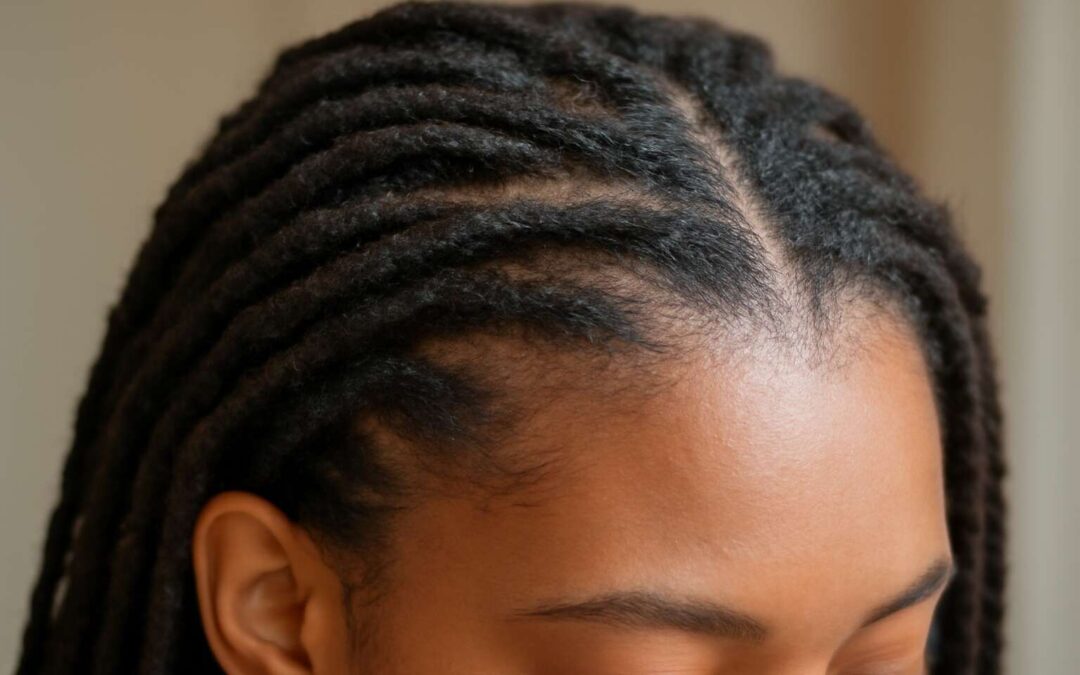
Overview of dreadlocks and hair growth
How dreadlocks affect the hair shaft
From Cape Town to the Highveld, dreadlocks tell a living timeline of texture and time. Hair grows about 0.5 inches per month on average, and the burning question remains: does dreadlocks grow hair? The answer is nuanced, shaped by scalp health, moisture, and lock maturity.
Dreadlocks form as hair knots, and growth continues at the follicle. The visible length reflects months of length, not a growth boost, while tighter locks can invite traction and thinning if ignored.
Inside the shaft, micro-dynamics matter.
- Moisture balance: locks trap humidity.
- Friction and tension can alter the cuticle.
- Product buildup and porosity affect elasticity.
Across South Africa’s diverse communities, these dynamics shape daily styling with tradition and care.
Natural hair growth rates and how locks interact
Hair grows about 0.5 inches per month on average, and the question persists: does dreadlocks grow hair? The answer lies in the rhythm of the scalp and the lock’s journey as it matures.
Growth happens at the follicle; visible length reflects months of work, not a sudden growth boost. Tighter locks can tug at the scalp and frame thinning if ignored, while looser patterns ride the balance between moisture and texture.
Inside the shaft, micro-dynamics matter:
- Moisture balance: locks trap humidity and influence scalp hydration
- Friction and tension can alter the cuticle, changing feel and strength
- Product buildup and porosity affect elasticity over time
Across South Africa’s diverse communities, these forces shape daily styling with tradition and care.
Factors that influence growth when locked
In South Africa’s sunlit streets and cafés, length becomes conversation, not a sprint. Hair grows about 0.5 inches per month on average, a steady metronome for stylists and dreamers alike. The question—does dreadlocks grow hair—lingers in salons, linking tradition with texture.
Overview of dreadlocks and hair growth: When locked, growth stays rooted at the follicle; visible length reflects months of careful shaping, not a sudden surge. The journey unfolds as the locks mature, revealing patient choreography rather than a miracle uptick.
- Scalp health and gentle cleansing
- Moisture balance and porosity management
- Maintenance rhythm and tension control
Across South Africa’s diverse communities, these factors mingle with personal style and memory. The result is a look that speaks of time, care, and identity, not a sudden growth spurt.
Debunking common myths about locking and shedding
“Time reveals its truth strand by strand,” a Cape Town stylist likes to remind us. Across Cape Town’s sunlit studios and Johannesburg salons, the lock journey unfolds with a patient rhythm. I watch the roots in quiet concentration, knowing visible length reflects months of shaping rather than a sudden leap. Dreadlocks become a map of time, their story told one strand at a time rather than a sprint toward a horizon.
The question does dreadlocks grow hair often floats through the chair, mixing curiosity with myth. Here are common beliefs—debunked for clarity:
- Myth: locks stop growing at a fixed length.
- Myth: shedding means hair loss or the end of growth.
- Myth: more moisture slows growth or loosens the strands.
In South Africa, patience remains the most reliable measure of progress.
Physical effects of dreadlocks on scalp and follicles
Scalp health considerations with locked hair
Some ask whether does dreadlocks grow hair at the scalp, and the answer isn’t a simple yes or no. “Healthy scalp, healthy locks—it’s a two-way street,” says a South African trichologist.
Physical effects of locked hair on the scalp and follicles include how friction at the crown and hairline can irritate the skin, how sebum travels along the strands, and how root tension can influence follicle health. Readers often wonder about hair growth with locked styles, and while locks don’t magically alter follicle activity, scalp health can influence observed growth. From my experience, scalp health shapes growth.
Scalp health considerations with locked hair include:
- Balance of moisture and dryness around the lock.
- Impact of product buildup on scalp breathability.
- Variations in traction and temperature that affect follicles.
Follicle health and traction concerns
South Africa’s trichologists remind us: healthy scalp, healthy locks—it’s a two-way street. Readers sometimes ask, does dreadlocks grow hair, and the answer sits in scalp health more than myth!
- friction at crown and hairline
- sebum distribution along the lock
- root tension from weight and styling
- variations in scalp temperature and moisture
Physical effects of dreadlocks on scalp and follicles unfold like a quiet physics: friction at the crown and hairline can irritate the skin, sebum travels along the strands, and root tension from the weight of the lock tunes follicle health.
From my experience, scalp health shapes growth, and observed growth follows the rhythm of balanced conditions. The scalp breathes, follicles respond, and the locks tell a story of microclimate and care.
Impact of moisture, sweat, and humidity
Humidity in SA’s heat can tug at scalp moisture like a stubborn houseguest. A South African trichologist sums it up: “Healthy scalp, healthy locks.” So, does dreadlocks grow hair? The answer rests on scalp health—moisture balance, sebum flow, and the microclimate under every lock.
Moisture and sweat drift along the lock, evaporating at the surface and leaving the scalp damp. Humidity can alter sebum and skin barrier function, nudging root tension as the lock’s weight settles on follicles.
- Moisture migration along the shaft
- Humidity shifts sebum distribution
- Weight and moisture create micro-tension
Understanding this moisture narrative helps explain growth patterns: the scalp breathes, follicles respond, and the locks tell a climate story, not a myth.
Breakage and shedding patterns with dreadlocks
So, does dreadlocks grow hair? The question anchors how physical forces meet scalp biology, especially under South Africa’s sunlit heat. Dreadlocks rest around the crown, their weight whispering on follicles and adding root tension. The scalp breathes under each lock, while moisture and sebum chart a microclimate that shapes resilience. In this balance, hair growth remains possible, defined by how locks share the scalp’s climate.
Breakage and shedding patterns with dreadlocks reveal how traction plays with the hair’s surface. Traction concentrates near the crown and along the shaft, while weight and moisture create subtle tension that some strands carry longer than others.
- Root stress concentrates where locks anchor to thinning follicles
- Visible shedding is often masked until movement loosens loose hairs
These patterns celebrate resilience rather than alarm.
Techniques and practices to promote healthy growth
Proper washing and scalp care routines
Bronze dawn spills over a head of coils, and the scalp hums with possibility. Techniques and practices to promote healthy growth weave through proper washing and scalp care routines, turning routine into ritual. Curiosity asks, does dreadlocks grow hair, and the truth lives in balance, patience, and tenderness toward the follicles.
- Gentle cleansing with mild, residue-free cleansers
- Lightweight moisturizers to balance scalp hydration
- Mindful detangling and tender handling to minimize tension
- Breathable fabrics and loose styles to reduce friction
Within the South African climate, consistency and care create a thriving micro-ecosystem on the scalp. The narrative of growth unfolds not in haste but in harmonious rituals that honor the hair, the skin, and the journey itself.
Moisturizing and sealing strategies
Moisture is the quiet ally in healthy growth—steady, gentle, and predictable. In South Africa’s sun-drenched climate, hydration must arrive as a balance of moisture and sealant, not a flood of product. The answer to does dreadlocks grow hair lies in maintaining the scalp’s micro-ecosystem: soft, breathable layers and tenderness toward the follicles. When hydration stays consistent, locks can flourish without stiffness or crunch.
- Choose lightweight, residue-free moisturizers that hydrate without weighing down the roots.
- Seal with a small amount of natural oil or butter to lock moisture at the ends.
- Pair moisture with gentle detangling and slow handling to minimize breakage.
- Sleep on breathable fabrics and keep styles loose to reduce friction.
These strategies turn routine care into a mindful ritual, honoring the hair, the skin, and the journey through the seasons.
Detangling and maintenance without hair loss
In the blaze of South Africa’s sun, detangling becomes a quiet art that decides how locks thrive. The question—does dreadlocks grow hair—lingers. The answer rests on technique and respect for the scalp’s micro-ecosystem. Gentle, mindful handling reduces friction and supports a steady rhythm of growth.
- Gentle handling that respects follicles and scalp balance
- Slip and moisture to minimize friction and breakage
- Patient, regular maintenance that avoids harsh manipulation
This approach keeps strands resilient through seasons, aligning with SA’s diverse climates and the natural life cycle of the scalp, turning routine care into a mindful ritual that respects the journey.
Choosing lock methods that support growth
Sun-scorched SA mornings remind us that technique shapes growth. In the right hands, locks respond with resilience rather than frustration. Choosing methods that support growth is a discipline that respects the scalp and the rhythm of new curls!
People still ask: does dreadlocks grow hair? The answer rests in technique more than myth. The following methods are chosen for growth-friendly tension and even distribution.
- Interlocking to reduce root tension while maintaining a neat line
- Palm-rolling for uniform lock density and less breakage
- Twist-and-lock combinations that breathe at the scalp
Beyond the method, gentle handling aligns growth with seasonal shifts and daily rhythm. The aim is balanced tension and space for new growth to unfurl, keeping the journey steady.
Nutrition and lifestyle tips for hair growth
Healthy growth starts with technique and steady handling. Balanced tension and space for the roots keep locks resilient. Gentle scalp work and patient maintenance support growth without stressing the scalp.
People often wonder does dreadlocks grow hair, and the answer rests in technique. Light touch during cleansing, regular but calm manipulation, and protection at night help the scalp breathe and evenly distribute stress.
Nutrition and lifestyle also influence growth. Prioritise protein, iron, and omega-3 from real foods. Hydration, vitamin-rich fruit, and stress management support overall vitality and lasting resilience.
Common questions and expert opinions
Does locking influence growth rate?
Across South Africa, curiosity threads through salon conversations: does dreadlocks grow hair? A veteran stylist in Cape Town reminds me, “Locks are a journey, not a speedometer”—growth is measured by time, not tempo. The question lingers, and expert voices offer nuance rather than absolutes as clients weigh tradition against modern science.
Experts agree that locking does not automatically accelerate or slow growth. It is the scalp environment and follicle health that govern pace, not the locks themselves. Here are common expert perspectives:
- Perceived growth can feel faster when shedding is less obvious with locked hair.
- Actual growth is tied to healthy follicles and moisture balance, not merely the presence of locks.
- Individual genetics and consistent care shape outcomes more than technique alone.
In the end, growth remains a personal rhythm—an elegant drama of time, texture, and transformation that speaks to a broader story of identity.
Do dreadlocks cause thinning or breakage?
South Africa’s salons hum with whispers about thinning and breakage under locked tresses. Common questions swirl around the room, including, Do dreadlocks cause thinning or breakage? and how traction or moisture might alter outcomes. Experts respond with nuance: the locks themselves don’t dictate growth or failure—the scalp environment and follicle health do.
Readers often ask does dreadlocks grow hair, and the answer rests on the same honest foundations: a healthy scalp, balanced moisture, and gentle handling matter more than the lock technique itself.
- Does thinning appear at the roots or along the shaft under locks?
- Can visible thinning be reversed with proper care?
- What signals traction risk in tightly woven styles?
Experts emphasize that breakage is more tied to mechanical stress, moisture balance, and follicle health than the mere presence of locks. Growth remains a personal rhythm—an ongoing conversation between time, texture, and identity.
What signs indicate healthy growth vs. stress?
SA salons still whisper a patient truth: hair growth is a companion, not a trick of the locks. The tempo runs about 1 cm a month, a pace that respects time and texture. So, does dreadlocks grow hair? The answer hinges on scalp vitality and gentle handling, not the lock pattern.
Experts describe signals of healthy growth versus stress in practical terms. Look for root vitality, uniform coil response, and comfort on the scalp as growth progresses. When stress hits, signs tend to show as subtle thinning at the base, brittle ends, or noticeable tension at the scalp.
- Root vitality remains steady—no sunken or thinning patches.
- Coils maintain elasticity; locks bend without snapping.
- Scalp feels comfortable with ongoing moisture balance and no persistent itch.
Growth follows its own tempo—a personal rhythm that blends time, texture, and identity into visible progress.
When to consult a trichologist or professional stylist
So, does dreadlocks grow hair? The answer arrives as a quiet witness—the scalp’s vitality and patient care do the heavy lifting, not the coil pattern. In South Africa’s climate, experts observe hair progress at its own tempo, often near 1 cm each month when nurtured with balanced moisture and gentle handling.
Common questions and expert opinions converge on when to seek help. People wonder if locking itself slows growth; most agree growth continues regardless, provided the scalp is healthy and free from tension. If you notice odd thinning at the base, persistent scalp discomfort, or abrupt changes in texture, a trichologist or professional stylist can assess traction, moisture, and follicle vitality.
- Is the concern worth a professional check?
- What does a trichologist examine in locked hair?
Practical guides and FAQs for growing with dreadlocks
Step-by-step beginner’s guide to starting with growth in mind
“Growth isn’t a race; it’s a rhythm,” a trusted stylist once told me, and the same rhythm guides dreadlocks from the very first twist. In this practical guide, we answer does dreadlocks grow hair with a clear, beginner-friendly path that respects South African climates.
Step-by-step starter path focused on growth-conscious beginnings:
- Consult a stylist to tailor the lock method to your hair type and scalp health.
- Start with clean, well-moisturized hair; avoid heavy products that weigh locks down.
- Progress gradually—allow your strands time to anchor and lengthen between reties.
As you move forward, remember that consistency beats impulse, and patience rewards your journey toward healthy growth.
Seasonal care tips for growth optimization
Seasonal winds sweep SA’s coastlines, and growth follows a rhythm, not a rush. Readers often ask: does dreadlocks grow hair, and the answer is nuanced: growth occurs at the scalp, while locks lend protection against daily wear when moisture and scalp health are respected. Embrace the seasons as a mentor, and your journey will unfold with a patient, mythical cadence.
Practical guides and FAQs for growing with dreadlocks weave seasonal care tips for growth optimization into everyday routines. Seasonal care tips for growth optimization:
- Summer: seal moisture, choose lighter oils, shield the scalp from harsh sun.
- Autumn: balance dryness with targeted sealants and regular scalp massages.
- Winter: guard against wind and indoor heat; keep the scalp moisturized without heavy waxes.
- Spring: monitor shedding and adjust washing frequency to maintain scalp balance.
Products to avoid or use for scalp health
Practical guides for growing with dreadlocks aren’t about a magic elixir; it’s about consistency and scalp-friendly choices. Readers often ask: does dreadlocks grow hair, and the answer is nuanced—growth happens at the scalp while the locks guard a healthy crown as long as moisture and scalp health are respected. The rhythm of seasons becomes a mentor, guiding your routine rather than pressuring you toward results.
- Lightweight carrier oils such as jojoba or grapeseed balance moisture without weighing hair down.
- Avoid petrolatum, mineral oils, and heavy waxes that trap buildup and irritate the scalp.
- Choose fragrance-free or mild formulations to minimize sensitivity in South Africa’s varied climates.
FAQs for growing with dreadlocks center on fragrance, alcohol content, and scalp sensitivity—does dreadlocks grow hair is part of the dialogue that climate and lifestyle amplify in South Africa. The right product milieu supports scalp comfort across wind, sun, and indoor heat.
DIY maintenance schedules and checklists
Across South Africa’s climates, a steady routine outshines hype: 68% of dreadlock wearers report better scalp comfort when maintenance is predictable. does dreadlocks grow hair — the question, wonderfully nuanced, points to hair growth from the scalp while locks shield a healthy crown when moisture is respected. Seasons mentor your rhythm.
Practical DIY maintenance frames exist as a flexible schedule and a lightweight checklist, not a regiment. Focus areas include scalp checks, residue-free cleansing, moisture balance, and seasonal tweaks to suit wind, sun, and indoor heat.
- Scalp checks and signs
- Gentle cleansing and residue monitoring
- Moisture balance and sealing
- Seasonal adjustments
FAQs remind readers that the climate and lifestyle amplify the conversation. The right product milieu supports comfort, while a pragmatic checklist keeps the growth dialogue constructive without sensational promises.
Myths vs facts: quick reference for growth
Across South Africa’s diverse climates, 68% of dreadlock wearers report calmer scalps when routines stay predictable. Practical guides and FAQs offer a myth-vs-fact quick reference for growth. The evergreen question, does dreadlocks grow hair, lingers in conversations.
Here are quick-reference myths vs facts:
- Myth: locks stop growth. Fact: hair continues to grow from the scalp beneath locked fibers.
- Myth: moisture harms growth. Fact: moisture balance, when managed, supports a healthy crown.
- Myth: shedding equals failure. Fact: seasonal shedding can occur without damage to progress.
FAQs tackle climate, lifestyle, and product choices, keeping expectations grounded and hopeful rather than sensational. The tone stays professional, yet lyrical, inviting readers to question assumptions and embrace evidence-based care.