
Dreadlock Knotting Basics
Of the many ways locs are born, the earliest days are the most fragile. With new growth blurring into loose strands, some form of knotting is essential to encourage a uniform structure. The process is patient work, a slow negotiation between hair and time. You will find that the root needs routine attention to prevent premature unraveling, especially in our humid coastal regions or the dry Highveld air.
The technique you choose will shape the journey ahead:
– Palm rolling, which uses friction to coil the hair into a cylinder
– The crochet hook method, a gentle interlocking to pull loose hairs inward
– Freeform knotting, where natural tangles are left to their own devices
Each approach speaks to a different temperament. Some prefer the precision of a tool, while others let the hair find its own rhythm. Regardless of the path, the goal remains the same: to encourage a strong foundation. Within a few months, the knots settle into a cohesive system, and the dreadlocks knots styles you envisioned begin to take root. It is a quiet transformation, one that rewards patience with resilience.
Top Dreadlock Knot Styles to Try
According to a 2023 survey, 68% of Joburg stylists have seen a knot so stubborn it deserved its own name. That is where dreadlocks knots styles come into play. Some knots are accidental, others are deliberate architecture.
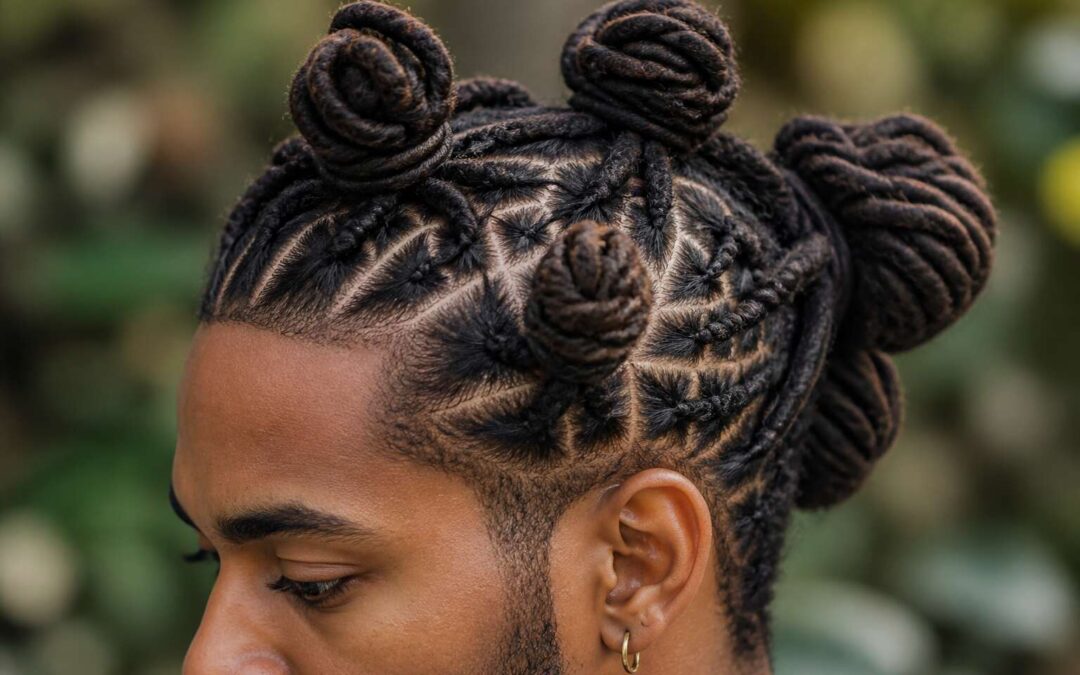
For the brave, consider the pineapple knot, the spiral twist, or the classic bun. Each one changes your silhouette without a single hair tie.
- The pineapple knot for volume
- The spiral twist for drama
- The bun for meetings
These dreadlocks knots styles protect your roots and confuse your colleagues. A well placed knot can save you from a windy day in Durban. Honestly, that is a win.
Step-by-Step Guide to Making Dreadlock Knots
Making these knots demands tenacity. You will need a crochet hook, some hair oil, and a stubborn streak. First, separate a section of hair and twist it tightly. Then, poke the hook through the base of the twist and pull the ends through the loop. Repeat this motion until the knot feels firm.
- Dampen the hair slightly to reduce frizz.
- Wrap the strand around your finger to form a loop.
- Pull the tail through the loop with the hook.
- Tug gently to tighten the knot.
The result is one of the more reliable dreadlocks knots styles, though it will mock you if you rush! I have learned that a loose knot unravels before breakfast, while an overworked one turns into a felted mess. Your fingers will ache, but you will get used to it.
Maintaining Knotted Dreadlocks
Maintaining knotted dreadlocks is less about fussing and more about discipline. Your hair will rebel if you ignore it, trust me. The secret lies in how you treat the roots while letting the knots form on their own schedule. Separate them weekly to prevent one massive felted mat from taking over. That is not a style, that is a crisis.
For those exploring dreadlocks knots styles, palm rolling is your best friend. It encourages the hair to lock evenly without creating weak spots. I find that a quick spritz of salt water works wonders before a gentle twist. Use your fingertips, not a comb. Your scalp will thank you.
A simple maintenance rhythm keeps things tidy:
- Wash with residue free shampoo
- Towel dry, then palm roll each knot
- Sleep on a satin scarf at night
The beauty of these dreadlocks knots styles is that they reward patience. Give them time, keep them clean, and they will hold their shape for months.
Choosing the Right Knot Style for Your Hair
What makes one knot style better than another? In South Africa’s humidity, a loose knot unravels by noon. A tight knot holds, but it tugs at your scalp. So how do you choose? Start with your hair’s texture and time since your last retwist. For soft locs, a simple twist knot works. For matured locks, a winding knot grips better.
Consider your daily life. A knot that stays intact overnight may loosen during a gym session. That is why options matter:
- Low maintenance knots for busy weeks
- Formal knots for office or ceremony
- Protective knots that shield your edges
Each option influences your dreadlocks knots styles. The right knot suits your hair’s growth pattern. Pay attention to tenderness after a few hours. When I find a knot that causes no pain from morning to night, I feel it! That is the beauty of dreadlocks knots styles.
Mistakes to Avoid with Dreadlock Knots
The struggle is real. You have finally committed to the journey, and your hair is starting to lock beautifully. Then, in a moment of misguided enthusiasm, you decide to “help” the process along. That is where the trouble begins. Over-twisting is the cardinal sin of dreadlocks knots styles. It puts unnecessary tension on your roots, leading to breakage and thinning. Your locs need room to breathe and move, not to be tortured into submission.
Other common mistakes include:
– Using heavy waxes or creams that leave residue and attract dirt.
– Sleeping on rough cotton pillowcases that cause friction and frizz.
– Ignoring your scalp, which needs regular cleansing to stay healthy.
Patience is not just a virtue here, it is a requirement. The best dreadlocks knots styles are the ones that develop organically over time. Trust the process, and let your hair do what it naturally wants to do. Your future self will thank you for the restraint.