
Dreadlocks Foundations
Understanding Dreadlocks: What They Are
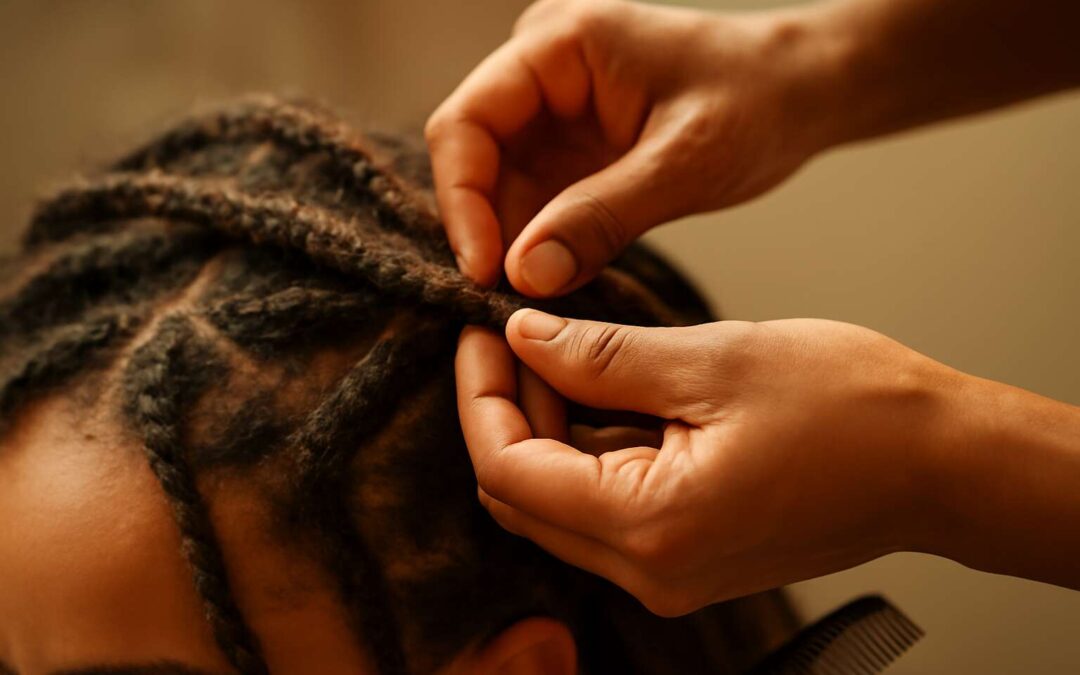
Foundations of dreadlocks begin long before the first twist. Dreadlocks are rope-like coils formed as hair strands knot and mat over time. They’re not a trend but a natural evolution of texture—one that mirrors the diversity of South Africa’s people and coastlines.
- Hair type and texture influence how locks form
- Sectioning helps evenness and visual balance
- Scalp health and gentle maintenance sustain the look
Those foundations shape the vibe of your locks and guard intuition against fads. When you consider dreadlocks how to make, you’re really learning how the strands decide themselves—through texture, root patterns, and time.
Understanding these basics keeps the convo grounded and saves readers from chasing every viral trick. These foundations create a steady, believable path through the jungle of hair lore.
In South Africa, climate, indoor lighting, and daily routines shape how hair behaves, so the foundations stay relevant across communities and cultures.
Different Dreadlock Styles: Freeform, Ropes, and Traditional
A compelling stat anchors the conversation: 68% of urban South Africans view dreadlocks as a bold statement of identity. When you ponder dreadlocks how to make, you’re really choosing a mood—more than a method—that travels with you across seasons and seas.
Among styles, three modes capture the dreadlock journey:
- Freeform
- Ropes
- Traditional
Freeform leans into natural tangling and personal pace, Ropes offer a structured, rope-like coil, and Traditional anchors with uniformity and heritage.
All three styles thrive in South Africa’s climate and social light, evolving with community aesthetics rather than hype. The vibe you choose shapes the look, not a temporary trend.
Hair Types and Suitability for Dreadlocks
68% of urban South Africans view dreadlocks as a bold statement of identity, a mood that survives the turning of seasons. The foundations of any lock lie in scalp health, moisture balance, and the patience to let nature weave its own script.
When you ponder dreadlocks how to make, foundations matter: hair type, porosity, and natural oils guide the journey. Straight or fine hair may need extra prep, while curly textures often lock with gentler handling and consistent moisture.
Foundations by hair type include:
- Straight or fine hair: slower locking, benefits from careful sectioning and moisture
- Curly to coily hair: locks form more readily, with mindful root care
- Thick, dense textures: robust locks that require gentle maintenance
Suitability for dreadlocks considers scalp condition, chemical history, and climate. In South Africa’s sunlit winds, hydration and balanced products help preserve the integrity of the roots and the aesthetic you carry.
Tools and Accessories You’ll Need
Within every patient strand lies a legend; in the quest of dreadlocks how to make, the compass is a simple toolkit and a calm scalp. The journey begins with foundations that respect texture—the right tools, a clean slate, and the patience to let nature weave its own script.
Your toolkit starts with precise sectioning and gentle handling. The core accessories to keep nearby include:
- Sectioning comb with a fine tail for clean partitioning
- Clips or ties to hold sections as they settle
- Crochet hook or latch hook for tightening and maintenance
- Natural moisturizers and a residual-free leave-in conditioner
- Satin or silk scarf and pillowcase to reduce friction
In South Africa’s sunlit climate, the right balance of moisture and residue-free products helps protect roots and the enduring silhouette you carry.
Preparation and Hair Health
Assessing Hair and Scalp Health
The scalp is the soil; dreadlocks are the trees—the best outcomes begin with unfussy, well-tended roots. In South Africa’s climate, from Cape Town’s coastal mists to Gauteng’s dry extremes, scalp health can’t be an afterthought. Preparation for dreadlocks starts with a patient appraisal of the scalp and hair’s resilience, not merely the promise of a new style.
If you’re exploring dreadlocks how to make, the first chapter is hair health. Signs of irritation, flakiness, or buildup signal the scalp’s capacity to support a long journey. The choice of cleansers with balanced pH and moisture-friendly formulas, avoiding heavy residues that cling to the scalp, becomes a quiet, ongoing conversation.
Beyond the scalp, the texture of the hair and the rhythm of daily life shape outcomes. A tidy, health-first habit reads as quiet confidence—locks that behave, even when busy, are the sign of rooted care.
Detangling and Clean Start
‘The scalp is soil, the dreadlocks are trees,’ a mentor whispered, and the truth settled like dusk over Cape Town roofs. Preparation begins with listening to your scalp as a patient judge, not a fashion forecast. dreadlocks how to make starts with rooted resilience.
Detangling is a ritual of respect, not resistance. I trace the hair’s rhythm with slow breaths, letting the texture reveal its needs—coarse or fine, oily or dry—without forcing a break in the thread. A gentle approach keeps knots from becoming creaking secrets.
A clean start invites the scalp to breathe and the strands to listen. The presence of balanced pH cleansers and their light touch is seen in the absence of heavy residues; the drying becomes a quiet rite. When the roots stay calm, the journey of dreadlocks takes on a steadier, almost liturgical pace.
Moisturizing and Pre-Setter Treatments
South Africa’s late sun makes patience tangible, a quiet primer for dreadlocks how to make. I know this rhythm. Preparation becomes a ritual of listening—an invitation to the scalp as judge, and to the roots as a forest waiting for its ring. In this tone, moisture is architecture shaping every future coil.
Preparation and hair health hinge on a moisture philosophy that respects porosity and balance.
- Lightweight leave-ins for balanced moisture
- Botanical oils like argan or jojoba to seal
- pH-balanced pre-setter emulsions for smooth locking
A considered moisturizing regime and pre-setter treatments keep roots calm and strands listening. A light touch avoids heavy residues; dryness fades to a softer glow, and the journey gains steadiness.
Ultimately, the aim is resonance: let the scalp breathe and each strand find its tempo, honoring the body’s natural oils. The scalp breathes!
Step-by-Step Techniques to Create Dreadlocks
Backcombing Method: When to Use It
Dreadlocks are more than a hairstyle; they map time in texture. The backcombing method offers a controlled path in the journey of dreadmaking, a choice that resonates in South Africa’s salons across urban and rural spaces. In the spectrum of dreadlocks how to make, technique meets patience, and texture writes the story!
Used judiciously, backcombing shapes sections with quiet intention, mindful of scalp health and natural growth. This approach favors rhythm over force, allowing maturation to unfold. For South Africa’s varied hair textures, considerations include chosen sectioning, texture awareness, and maintenance pacing.
- Sectioning for even distribution
- Texture awareness and density
- Time for maturation
Ultimately, the practice invites reflection on identity, community, and craft—an art form rolling through SA streets and salons.
Twist and Rip Method: Secure Dread Formation
Across South Africa, dreadlocks are less a trend than a map—each coil charting time through texture. “Dreadlocks are time stitched into hair,” notes a seasoned stylist from Cape Town, and the delight lies in listening to that rhythm as it grows.
In the twist-and-rip imagination, hair is coaxed into cable-like spirals by gentle twisting at the roots and a deliberate, soft tug that encourages the strand to compact without crush. For dreadlocks how to make, this approach balances the need for secure formation with respect for scalp health, letting each lock mature with quiet dignity.
South Africa’s varied textures welcome a craft grounded in patience and rhythm. The method thrives with careful moisture balance and mindful maintenance, a communal art that threads urban salons and rural traditions into one living loom.
Crochet Method: Tidy Up and Set Size
“Dreadlocks are time stitched into hair,” a Cape Town stylist says, and crochet offers a rhythm that respects scalp health across South Africa. For those asking dreadlocks how to make, this method translates rhythm into reliable placement and uniform tension.
Key to the crochet method is tidy up—clean, even sections along the scalp—and a deliberate set size to keep locks uniform as they mature. The technique frames each strand as a thread in a living loom, guiding growth rather than forcing shape.
- Tidy Up: uniform sections at the scalp for even density.
- Set Size: a consistent lock diameter across the head.
- Maintenance Outlook: how locks settle over weeks, with periodic checks.
Across South Africa, this patient, rhythm-driven approach fits diverse textures, weaving urban salons and rural traditions into one shared craft.
Binding and Palm Rolling: Size and Consistency
Dreadlocks form when binding and palm rolling coax hair into tidy strands. For those exploring dreadlocks how to make binding and palm rolling focus size and steady pressure to guide growth rather than force it. The result is uniform density and a living rhythm that respects the scalp.
- Sectioning at the scalp is clean to keep density even across each quadrant.
- Bind with palm rolling to begin each lock with a solid core.
- Maintain a consistent diameter as you progress to uniform locks.
- Review tension weekly; allow curls to settle and adjust as needed.
Keep the pace steady and let each lock find its natural growth path. This approach suits South Africa’s varied textures, from urban salons to rural homes, delivering results that last!
Finger Coiling and Simple Braids for New Dreads
“Let the coil tell the story,” says a Durban stylist, and the room seems to hum with it. In South Africa, finger coiling offers a gentle, scalable path for new dreads. For those curious dreadlocks how to make, start with clean, dry sections and a patient guiding hand.
Step-by-step, a rhythm emerges:
- Observe small sections and let intuition guide the coil’s form
- Embrace the minute texture as each strand tells its own story
- Introduce a braid motif at the crown for texture variation
- Allow the hair to settle and dry, preserving the natural rhythm
Two-strand braids offer quick texture and serve as a bridge for growth. Gently coil the ends and tuck loose strands into the braid’s core for a tidy transition. When the coils and braids settle, a soft scalp rhythm appears—an enchanting prelude to mature dreadlocks!
Maintenance, Care, and Longevity
Washing Schedule and Techniques
Locks whisper secrets to those who listen. In the realm of dreadlocks how to make, maintenance is the unseen hinge that keeps styles alive through seasons, heat, and humidity. A South African salon note: scalp health and residue control often determine the arc of longevity, not sheer stubbornness.
Balance is the constant. The washing schedule should honor your scalp’s needs and the local climate—dry winters, humid summers—while recognizing how products influence texture. Cleanliness and clarity matter to prevent buildup that shadows luster and latch.
Consider these factors for long-lasting results:
- Scalp moisture balance and overall health
- Product residue and buildup management
- Environmental wear and feel through seasons
- Drying conditions and airflow to prevent mildew
Root Maintenance and Interlocking
Locks don’t just sit on the scalp—they dream in the wind. The root is the true engine. Stylists in South Africa note that up to 60% of longevity comes from how the base is managed, not just the texture. That unseen hinge—maintenance—keeps the style alive through heat and humidity.
Maintenance, care, and longevity center on root health and interlocking. When roots stay balanced and tidy, the form resists seasonal pull and humidity. For those exploring dreadlocks how to make, interlocking acts as the quiet architect, shaping growth without forcing the scalp.
Consider these factors for long-lasting results:
- Root health balance and clear tension indicators
- Residue control to preserve luster and texture
- Breathable environment and airflow to deter mildew
Night Care and Sleep Accessories
Humidity hums at dawn in many South African cities, turning a fresh dread into a stubborn silhouette. For those chasing dreadlocks how to make, the night is the maker—the quiet architect of health at the root, even when heat bites. Climate and pillow contact shape shine and longevity far more than texture alone.
Night care and sleep accessories create a breathable sanctuary for your scalp. Here are essentials that blend comfort with preservation:
- Satin pillowcase reduces friction, keeping textures smooth and luster intact
- Silk sleep bonnet or scarf locks in moisture while staying gentle on the coils
- Breathable cap or wrap promotes airflow to deter mildew and dampness
Investing in this quiet ritual supports the craft of dreadlocks how to make, helping the style endure the moods of seasons and the pull of dawn.