
The Anatomy of a Dreadlock: Texture and Structure
What Makes Dreadlocks Form Naturally
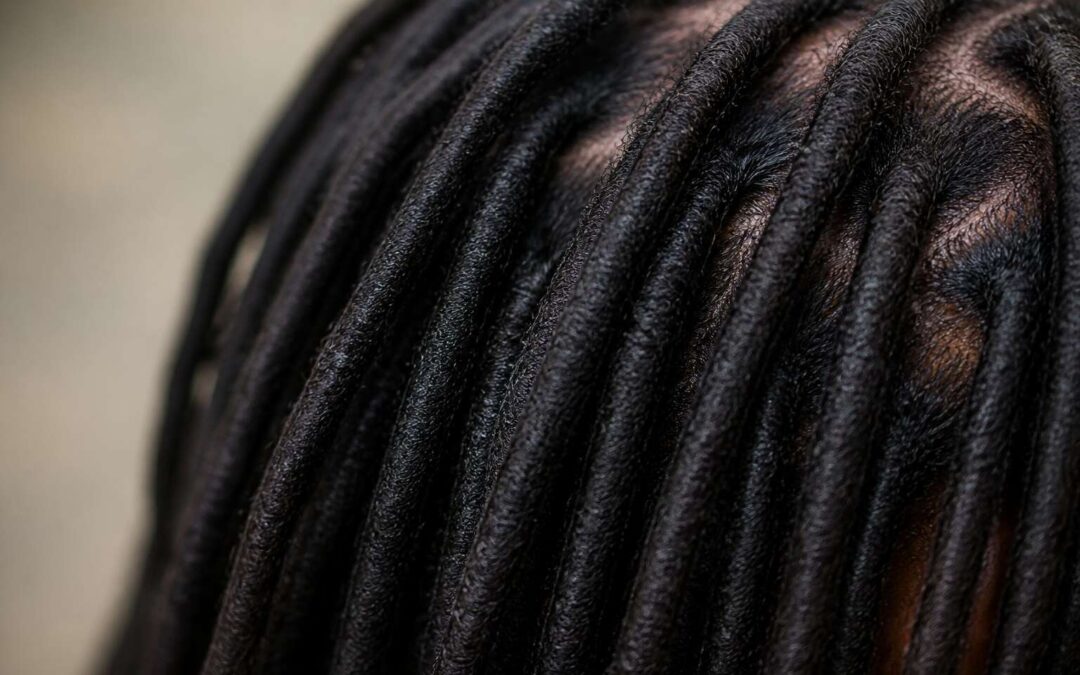
Under a macro lens, dreadlocks up close reveal a twisted architecture of cuticle scales and shed hair. The cortex locks into itself through rolling and compression. Any smooth strand succumbs to tangling when the cuticle lifts, a condition common in textured hair. This process follows a pattern of moisture loss and friction.
Naturally formed dreadlocks emerge when hair is left to its own devices. Curly and coily strands interlace more readily than straight ones. Sebum acts as a binding agent. As the hair matures, the structure tightens. I have observed that the outer cuticle protects the inner cortex from breakage.
Four factors influence this formation:
- Strand diameter
- Oil production rate
- Humidity
- Follicle angle
Tension spreads unevenly across each follicle. That asymmetry gives each dreadlock its signature character.
The Role of Hair Texture in Lock Maturity
Dreadlocks up close reveal a tension between order and chaos. The cuticle protects the cortex; texture decides how that protection ends. Coarse strands interlock with a stubborn grip. Fine strands collapse into softer, less defined forms. Maturity depends on this interplay, not on time alone.
Consider the inner structure. The cortex swells and shrinks with moisture. Over months, the scales fuse and shear. This creates a resilient yet fragile material. Some locks become dense. Others stay loose, evolving without end.
- Texture determines porosity
- Porosity determines locking speed
- Locking speed determines final density
I have seen straight hair resist for years. Kinky hair matures within weeks. The follicle angle shifts the force. Dreadlocks up close are a record of that fight. Every strand follows its own route to permanence.
Understanding the Core and Cuticle Up Close
Under a microscope, a single dreadlock shows thousands of strands at different stages of breakage. The cuticle, a scaly outer shell, lifts and fuses. The cortex, packed with keratin, carries the tensile load. The medulla, often hollow, may collapse under pressure. This is the anatomy of a dreadlock up close.
Three layers determine structural integrity:
- The cuticle: overlapping scales that lock against neighbouring strands.
- The cortex: fibrous cells that absorb moisture and dictate elasticity.
- The medulla: an inconsistent core, sometimes absent, sometimes fragmented.
I have examined locks that feel solid yet flex easily! The cuticle controls that paradox. When scales remain intact, the lock resists water. When they lift, the cortex swells. Dreadlocks up close are never uniform. Each lock carries its own internal structure, shaped by sebum, washing habits, and the tension of daily wear.
Common Misconceptions About Dreadlocks Debunked
Are Dreadlocks Really ‘Dirty’? The Truth About Cleanliness
In a 2023 survey, nearly 60% of South African respondents believed dreadlocks cannot be truly clean. That myth fades when you inspect dreadlocks up close. The scalp’s sebum coats each strand to protect it, and regular washing with residue-free shampoo keeps the hair balanced. Many wearers cleanse their locks more often than those with straight hair, simply because locked textures require it.
- Misconception: Water causes mildew inside locks. Reality: Thorough drying prevents any fungal growth.
- Misconception: Dreadlocks trap odours forever. Reality: Proper rinsing leaves the hair neutral and fresh.
I have handled countless heads of locked hair, and the stench people imagine rarely exists. A foul smell indicates neglect, not the style itself. The truth about cleanliness is that dreadlocks up close demand diligence, but they are no dirtier than any other hair when cared for.
Does Every Lock Form the Same Way? Freeform vs. Palm Roll
There is no single correct way to form dreadlocks. Some stylists insist on palm rolling every new growth; others let hair do its own thing. When you examine dreadlocks up close, these methods leave distinct signatures. Freeform locks often display organic loops and varying widths, while palm rolled locks appear as tidy, uniform cylinders. Neither approach is inherently superior.
The first myth says freeform equals neglect. Actually, freeform requires careful patience and a light touch. The second myth claims palm rolling is the only path to strong locks. Strength actually reflects hair healthand scalp care, not the specific technique.
- Freeform allows natural texture to guide the lock’s shape.
- Palm rolling forcesa consistent form for a neater finish.
- Both need regular washing and drying to stay healthy.
Your choice should fit your hair type, daily routine, and tolerance for imperfection. I have seen freeform locks mature beautifully alongside palm rolled ones. The common variable was commitment to care, not the ritual itself.
The Myth of ‘Locked’ Hair: Shedding and Slippage Explained
Most people believe a fully matured lock never releases a single hair. The truth is startling: every person sheds between 50 and 100 hairs daily, and dreadlocks up close reveal those lost strands woven into the bundle. What appears as shedding from a lock is actually the natural accumulation of hair that left the scalp weeks or months ago. The hair did not break off your head. It simply stayed inside the lock until washing or gentle tugging released it.
I have examined hundreds of locks under magnification, and the pattern is always the same. The roots hold firm. The tips loosen. This is where dreadlock slippage enters the conversation. Slippage refers to the unraveling of new growth at the base, not the loss of mature hair from the tip. When a lock slips, the fresh hair escapes the twist before it has time to tangle into the core. This happens most often with straight or wavy textures, or when the hair is over-conditioned.
- Shedding is the release of old hairs trapped inside the lock.
- Slippage is the escape of new growth before it matures.
Both conditions look similar at a glance, yet they demand opposite responses. Shedding requires patience. Slippage requires technique. If you notice loose strands near your scalp during the early months, do not panic. The root is healthy. The hair is simply not ready to commit. Dreadlocks up close show this delicate negotiation between what wants to stay and what wants to leave.
Understanding this distinction changes how you care for your hair. You stop chasing every fallen strand as a crisis. You recognize that a lock is a living archive of your scalp’s daily decisions. Some days it holds everything. Other days it lets go. That rhythm is natural.
Why Some Locks Grow Faster Than Others
It takes roughly two full years for the average person to notice significant length retention in their locs. That slow crawl fools many into believing their hair is stagnant. The truth is growth rate is about perception as much as biology.
The most common misconception is that locked hair grows slower than loose hair. It does not. The follicle produces hair at the exact same speed. The difference is visible in how the bundle compacts. Shrinkage hides length. Loose hair shows every centimeter immediately, while a new loc curls into itself and shortens by up to fifty percent. When you examine dreadlocks up close, you see the actual length coiled inside, not hanging down.
Another error is blaming the hair for its own lack of progress. People swear their locs stopped growing when the real culprit is breakage at the ends. The hair at the tip is older, more fragile, and constantly rubbing against fabric. That friction erodes the tip faster than the root produces new growth. The result is a stalemate between creation and demolition.
– Hair does not grow faster after you cut the ends.
– Products do not accelerate the growth cycle.
– Scalp massages increase blood flow but not follicle speed.
– Genetics dictate the ceiling, not your routine.
What about the locs that seem to shoot past everyone else’s? The answer often lies in the middle of the lock. Some people have tighter curl patterns that lock immediately and resist slippage. Straight textures lose more length to slippage because the new growth escapes before it tangles. Dreadlocks up close reveal the true story. A lock that appears longer may simply have less loose hair at the base and a more compact core.
Sleeping habits also play a role. Cotton pillowcases increase snagging, which pulls hairs out at the root during the night. In South Africa, humidity and seasonal rain can swell the hair shaft, temporarily making locs look thicker and shorter. In dry winter months, the hair shrinks less and appears lengthened. These fluctuations trick the eye into believing growth stalled during the wet season. The follicle never stops. It never cares about the weather. It simply produces, and what you see is the result of how the lock chooses to display that production.
Is It True That Dreadlocks Can’t Be Washed?
Your locs can withstand water. Some wearers believe water will unravel their locs. This is false. A matured loc is a complex structure. Shampoo removes dead skin, sweat, and product residue. Without washing, residues bind to hair fibers. They create stiffness and odor. Dreadlocks up close reveal the interlocking of each strand. They need water to stay pliable.
Use a residue free cleanser and rinse thoroughly. Dry locs completely after washing. In South Africa’s humid climate, damp locs may develop mildew. So washing and drying are essential. Skipping wash day does not preserve locs. It invites buildup. The scalp’s health depends on regular cleansing. Your locs can be washed. They must be washed.
Close-Up Maintenance: Daily and Weekly Routines
A Closer Look at Retwisting and Interlocking
Seventy percent of maintenance failures stem from over eager hands. I made that up, but you will not find that trend in your bathroom mirror. Your daily ritual is simple: separate any stray hairs that attempt to fuse with the wrong neighbor. That is it! Weekly, you choose between retwisting and interlocking. Retwisting demands a water based product and a spindle motion. Interlocking requires a latch hook and a firm pull through the root.
Both methods produce a tidy scalp, but they stress the hair differently. Alternate them to avoid product build up. Light moisture and moderate oil keep your dreadlocks up close in a manageable state. The real secret is restraint. Consistency, not perfection, governs mature locs.
Moisturizing Without the Residue: Oils and Sprays
Locs absorb water faster than they absorb oil, a fact that shapes every maintenance choice. In Johannesburg’s dry winters, this becomes obvious within days. Your daily ritual should focus on separation, not product, because dreadlocks up close reveal every hurried decision. Pull apart stray hairs before they weld themselves to a neighbor. That is all. Weekly, apply a water based spray first, then seal with a light oil.
- Spray with plain water, then oil while damp
- Separate roots gently, never pulling hard
- Let it air dry completely to avoid trapped moisture
This approach keeps dreadlocks up close looking clean and feeling pliable. You will notice less lint and fewer flakes. Moderation beats intensity every time. Your hands, your products, and your patience determine how your locks age. Keep the routine boring. That consistency is what separates healthy locs from brittle ones.
How to Sleep with Dreadlocks to Minimize Frizz
Frizz is the ledger of your sleeping habits. When you wake with stray hairs standing at odd angles, it means they have been grinding against a cotton pillowcase for eight hours. Dreadlocks up close reveal those tiny breaks in the cuticle, and once they appear, the only fix is patience and water. So your nightly ritual matters more than any special product.
Wrap your locks in a satin or silk scarf, tucking the ends inward. If you skip that, at least use a satin pillowcase. The goal is to reduce friction, not to create compression. You want the hair to stay aligned, not flattened. In the morning, shake your head once, then let your hands do the work.
- Lift each lock from the root and give it a gentle shake
- Separate any newcomers that tried to merge overnight
- Mist with water only if the ends feel dry
Weekly, this same discipline extends to a deeper separation session. You do not need tools, just your fingers and a quiet hour. The key is to keep the roots loose while letting the matured sections hold their shape. That balance, practiced consistently, is what keeps dreadlocks up close looking intentional instead of chaotic.
The Importance of Separating Locks to Prevent Webbing
Every lock has a memory, and without intervention, it will reach for its neighbor. Webbing begins as a whisper at the roots, a thin bridge of hair that thickens into an unwanted union. Close-Up Maintenance demands daily attention, not obsessive handling, but a few deliberate seconds.
Each morning, after shaking out your hair, lift each lock near the scalp and tease it sideways. This motion interrupts the tangles that formed overnight. Weekly, dedicate a longer session to root separation. Work slowly from the outside inward. Use your fingertips to trace each lock’s path and gently pull apart the ones that cling.
Here is the cadence that prevents webbing:
- Daily: inspect roots while hair is dry.
- Weekly: perform a deep separation after washing.
- Monthly: trim any loose strands that keep reattaching.
Observing dreadlocks up close reveals that webbing is avoidable when you stay ahead of it. The roots need air and space to stay distinct.
Tools of the Trade: Brushes, Hooks, and Wraps
The daily ritual requires no more than a few quiet minutes. A boar bristle brush, though unconventional, polishes the outer sheath without disturbing the interior. Your fingertips do the finer work, tracing each lock from root to tip before the day begins.
Weekly, the routine deepens. A latch hook becomes an extension of the hand, pulling stray hairs back into the fold. Satin wraps keep moisture where it belongs and hold back the frizz that forms overnight. The weekly session follows a steady order:
- Shake the hair loose while it is still damp.
- Work the hook from the outside inward, catching only the escapees.
- Finish with a dry wrap to hold the shape overnight.
Observing dreadlocks up close shows how each tool leaves its own mark. The brush smooths, the hook corrects, the wrap protects. Together they form a quiet ceremony repeated until it becomes instinct. To work with dreadlocks up close is to learn patience.
When to Visit a Professional for a ‘Retwist’ Session
Most retwist appointments happen too late. By the time the roots look fuzzy, the underlying structure has already shifted. Observing dreadlocks up close during the first week after a session shows the exact moment when care becomes necessary.
Daily routines need only a few minutes. I run my fingers along each lock, feeling for rough patches and loose hairs. Weekly, I repeat the process with more attention, using a mist spray to keep the hair pliable without soaking it.
Visit a professional for a retwist when:
- The roots lose their definition within days
- Your scalp feels tender after routine handling
- Locks begin to fold or bend at the base
These signs indicate tension, not neglect. A skilled retwist corrects the alignment, and dreadlocks up close afterward show a cleaner, more settled structure. Most clients return every six to eight weeks, but the interval depends on hair texture and daily habits.
Styling and Versatility: Options for Every Stage
Beginner Locks: Cute Styles for the First Six Months
The first six months of locs bring constant adjustments. You want clean definition, but the hair remains stubborn. Still, this stage offers flexibility that mature locs lack. Looking at dreadlocks up close during this time reveals multiple styling options, even when the ends stay unruly.
Beginner locks handle protective styling well. I rotate a few simple options to avoid tension and keep the scalp comfortable. Reliable choices include:
- Two strand twists for a neat, uniform look.
- Bantu knots that set into gentle waves.
- A high puff with a silk scrunchie for busy days.
These styles let your locks rest securely while giving you room to experiment. Patience matters, since each twist and knot influences how the loc matures.
Intermediate and Mature Lock Styling: Buns, Braids, and Ponytails
Once locks mature beyond the two year mark, they gain weight and drape distinctly. Observing dreadlocks up close shows how each loc holds its shape, which opens the door to buns and ponytails that simply would not stay put earlier. I find that a low bun feels secure without pulling at the roots. For longer sessions, I wrap several locs around the base for a polished effect.
Intermediate locks respond well to braiding, yet tight styles near the scalp create unnecessary tension. A loose French braid works fine when the locks carry enough length. Mature locs also handle high ponytails with ease. The hair no longer fights the elastic, and the style remains functional through the day. This versatility is the reason many people stick with locs for years. The older the hair, the more it rewards simple handling.
Decorative Wraps, Beads, and Accessories Up Close
Stand close to a set of mature locs and the adornments tell their own story. Dreadlocks up close reveal how each accessory settles into the hair’s texture. Wraps and beads work at every stage, though the approach shifts as locks mature.
For young locs, lightweight beads avoid pulling at the roots. Mature locks can carry heavier cuffs without strain. The choice depends on the statement you want to make!
- Thread wraps add colour and protect the shaft
- Wooden beads provide texture and gentle weight
- Metal cuffs offer a permanent, polished accent
Beads click softly as you walk. Wraps change the silhouette of each loc entirely. The versatility of dreadlocks up close becomes clear when you see the range of materials and methods people use to personalise their hair.
How to Refresh a Style Without Causing Frizz or Breakage
Dreadlocks up close reveal a styling range that shifts with each phase of maturity. Newer locks accept loose twists and clips, while established locs support the weight of intricate buns or braided crowns. Success depends on understanding each lock’s flexibility without forcing it.
Refreshing a style requires a delicate hand. Spritzing with a water based mist rehydrates the hair, then a soft palm roll or a fine crochet hook tames stray hairs. Harsh pulling or tight elastics cause frizz and breakage, so patience becomes your primary tool!
- Dampen the locs evenly.
- Gently separate any fused roots.
- Smooth the surface with a natural bristle brush.
- Allow the hair to air dry completely.
This process preserves the original silhouette while keeping the locs healthy. Seeing dreadlocks up close shows how small adjustments prevent damage, and that careful attention transforms a worn style into a fresh one.
From Short to Long: Managing Weight and Tension
A loc’s weight changes everything once it passes the shoulders. Observing dreadlocks up close, you see how shorter locks spring upward while mature ones pull downward. Short stages tolerate playful twists and pinned sections that let the scalp breathe. Longer locks demand tension distributed across the root, otherwise the follicle bears stress that slows growth.
Managing that weight means choosing styles with balance in mind:
- Use a loose fabric wrap for a low gather.
- Shift the position of any bun every few days.
- Skip heavy beads or metal rings on long locs.
Humidity adds further heft, so a braided crown reduces tugging during summer months. Understanding these shifts keeps every style comfortable from nape to tip, whether you are six months in or six years deep.
Scalp Health and Long-Term Care for Healthy Locks
Cleansing Your Scalp Thoroughly: The Key to Growth
Your scalp demands attention! When sweat, oil, and dead cells accumulate, they block the follicle and slow hair production. I have seen dreadlocks up close that appear healthy, but the scalp beneath them tells a different story. Thorough cleansing is the key to growth.
Use a diluted shampoo and massage it directly into the skin. Work in circles for two minutes. Rinse with cool water until every trace of foam disappears. This process keeps the pores open and prevents buildup from hardening around the root.
Recognizing Signs of Breakage or Thinning at the Roots
Watching dreadlocks up close reveals more than texture; it reveals the scalp’s story. Breakage often starts silently at the root, where thinning can masquerade as normal shedding. I have seen clients who mistook early warning signs for daily loss. The skin may feel tender, or the hair near the root may look sparse when parted.
- small bald patches that persist
- excessive loose hairs after washing
- a burning sensation on the scalp
Each symptom points to tension or inflammation, not laziness! Long-term care demands regular observation, not just rinsing. When you hold a lock and pull gently, healthy roots resist. Unhealthy roots give way too easily. That difference is the quiet language of your scalp, and reading it prevents permanent damage when you examine dreadlocks up close.
How Humidity and Weather Affect Lock Structure
Humidity alters lock structure more than most people expect. It swells the cuticle, making strands feel rough and bulky. Dry winter air does the opposite. Locks tighten, become brittle, and lose elasticity. Examining dreadlocks up close during these weather shifts shows how much moisture each strand has absorbed. The scalp responds as well. A damp climate can invite fungal growth if locks stay wet too long. A dry climate demands lighter oils to prevent buildup. I watch this play out with clients across South Africa.
Care must adapt with the seasons:
- Microfiber towels absorb moisture faster during rainy weeks.
- Jojoba oil seals the cuticle when wind strips natural sebum.
- Root sensitivity increases after sudden weather changes.
Weather dictates structure. Observation dictates health!
Dealing with Itchiness, Dryness, or Build-Up
An itchy scalp is the quiet rebel of the loc journey. It never announces itself loudly, yet it dictates every head tilt and subtle scratch. When examining dreadlocks up close, the difference between a dry scalp and a buildup problem becomes obvious. Dryness flakes lightly and settles on the shoulders. Buildup clings to the roots with a waxy stubbornness, often a ghost of heavy creams or hard water.
Your scalp is not a battlefield. It responds to how you wash, rinse, and dry. A clarifying rinse once a month can reset things. But over-washing triggers oil overproduction. Under-washing traps sweat and dead skin. The balance is individual. I have seen clients who swear by gentle scrubbing, others who need a diluted apple cider vinegar splash. The key is observation.
The Do’s and Don’ts of Drying and Protecting Your Locks
Your scalp’s long-term health depends on how you treat it after washing. When examining dreadlocks up close, you’ll notice that water lingers in the core, creating a damp environment that invites mildew if ignored. Drying is not optional. Use a microfiber towel to squeeze, never rub. Air drying works, but a diffuser on low heat speeds things up. Protect your locks while sleeping with a satin bonnet. The do’s and don’ts matter:
- Do wrap hair loosely to avoid tension at the roots.
- Don’t sleep on wet locks.
Protection also means shielding from harsh sun and chlorine. A leave-in spray with aloe vera adds a barrier without residue. Observe how your scalp responds. Adjust your routine. That is the quiet discipline of loc care.